Our Approach
GSM-CDA implements integrated humanitarian and development programs that respond to immediate community needs while creating long-term solutions. Our work addresses environmental sustainability, public health, education, livelihoods, peacebuilding, human rights, and institutional development to build resilient communities throughout South Sudan.
Featured Program Areas
Environmental Protection & Climate Resilience
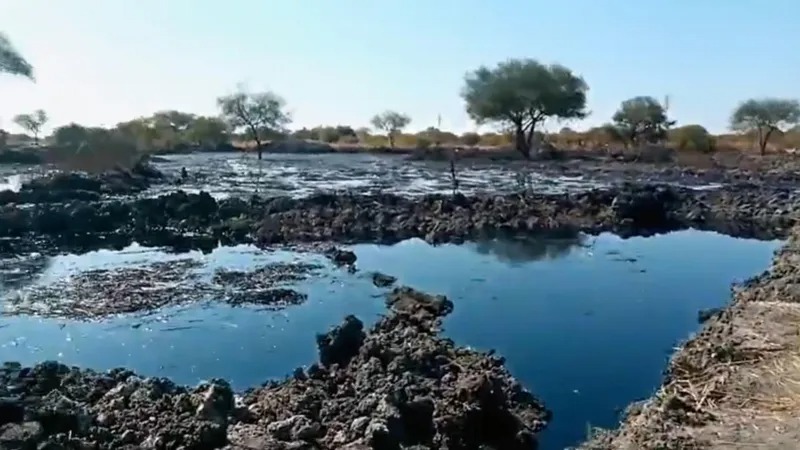
Addressing environmental degradation from industrial activities, promoting sustainable land use, and building community capacity for climate adaptation.
- Climate change adaptation & restoration
- Pollution prevention & biodiversity conservation
- Sustainable land management & renewable energy
- Community pollution monitoring & reforestation
- Climate-smart agriculture & water resource protection
Public Health Advocacy & WASH
Promoting clean water, safe sanitation, hygiene education, disease prevention, and maternal/child health—especially in contamination‑affected communities.
- WASH programs in vulnerable communities
- Health education in schools & churches
- Maternal & child health support
- Disease prevention & outbreak response
Peacebuilding & Social Cohesion
Contributing to peaceful and inclusive societies through dialogue, reconciliation, and community‑led peace initiatives.
- Inter‑community peace dialogues
- Youth peacebuilding workshops
- Faith‑based reconciliation
- Conflict prevention & mediation
Education & Capacity Development
Empowering communities through quality education, vocational skills, and institutional strengthening for self‑reliance.
- Youth STEM & environmental education
- Vocational skills training
- Community awareness campaigns
- Institutional capacity strengthening
15 Strategic Objectives
Guided by fifteen integrated objectives, GSM‑CDA delivers lasting change across South Sudan.
Emergency Humanitarian Assistance
Provide timely, effective, and accountable humanitarian assistance during emergencies, disasters, conflicts, disease outbreaks, and displacement.
Food Security & Livelihoods
Strengthen food security, nutrition, agricultural productivity, fisheries, livestock development, and sustainable livelihoods.
Quality Education & Skills
Improve access to quality education, vocational training, literacy, and life skills for children, youth, and adults.
Health & Nutrition
Enhance access to quality healthcare services, nutrition programmes, reproductive health, disease prevention, mental health support, and community health systems.
WASH Services
Increase access to safe drinking water, sanitation facilities, hygiene promotion, and integrated WASH services.
Environmental Conservation
Promote environmental conservation, climate change adaptation, ecosystem restoration, pollution prevention, sustainable land management, biodiversity conservation, and community environmental awareness.
Disaster Risk Reduction
Strengthen disaster risk reduction, early warning systems, emergency preparedness, and community resilience.
Peaceful Coexistence
Promote peaceful coexistence, reconciliation, conflict prevention, mediation, and social cohesion among communities.
Human Rights & Justice
Protect and promote human rights, child rights, women's rights, disability inclusion, and access to justice.
Gender Equality & Youth
Strengthen gender equality, women's leadership, youth empowerment, and economic inclusion.
Protection from Violence
Prevent sexual exploitation and abuse (PSEA), sexual and gender-based violence (SGBV), child abuse, trafficking, and all forms of violence against vulnerable populations.
Institutional Strengthening
Strengthen institutional capacity, governance, leadership, financial accountability, digital systems, and organizational sustainability.
Economic Development
Promote community-based economic development through entrepreneurship, financial inclusion, savings groups, cooperatives, and market systems.
Infrastructure & Clean Energy
Support infrastructure rehabilitation, renewable energy initiatives, climate-smart technologies, and resilient community assets.
Partnerships & Innovation
Strengthen partnerships, advocacy, research, innovation, evidence generation, and knowledge management to improve humanitarian and development outcomes.
How We Deliver Our Programs
1. Community Needs Assessment
We listen to communities, assess their priorities, and identify vulnerabilities through participatory methods.
2. Program Design
We design evidence-based interventions that address root causes and align with community goals.
3. Community Participation
Communities are active partners in planning, implementing, and evaluating their own development.
4. Implementation
We execute programs with transparency, professionalism, and respect for local culture.
5. Monitoring & Evaluation
Continuous monitoring and community feedback ensure accountability and measurable results.
6. Sustainable Impact
We build local capacity so that positive change endures long after a program ends.
Our Policies & Commitments
Download our official policies that guide our work, ensure accountability, and protect the people we serve.
Anti‑Fraud & Anti‑Corruption Policy
Zero‑tolerance stance on fraud, corruption, and misuse of resources. Includes prevention, reporting, investigation, and disciplinary measures.
Download (DOCX)Safeguarding Policy
Protecting children and vulnerable adults from abuse, exploitation, and neglect. Outlines reporting procedures and survivor‑centered response.
Download (DOCX)Conflict of Interest Policy
Ensures all decisions are made in the best interest of GSM‑CDA. Includes disclosure forms and investigation procedures.
Download (PDF)PSEA Policy
Prevention from Sexual Exploitation and Abuse – safeguarding beneficiaries and maintaining zero tolerance for abuse.
Download (PDF)Code of Conduct & Ethics
Expected ethical behavior and professional standards for all GSM‑CDA representatives.
Download (PDF)Cross‑Cutting Priorities
Where We Work
GSM‑CDA implements programs across South Sudan, with current field operations concentrated in the Greater Upper Nile region—covering Unity State, Upper Nile, and Northern Jonglei. Our teams are active in Bentiu and surrounding areas, and we are working to expand into additional locations as resources grow.
Our Intended Impact
Support Our Programs
Your partnership powers integrated programs that protect the environment, strengthen communities, and create sustainable change.