Leading Environmental Awareness Across Unity State
GSM‑CDA is voluntarily leading environmental awareness campaigns across Thar‑jiath, Rubkona, and Guit Counties to promote environmental protection, reduce pollution, and safeguard community health. We mobilize citizens, leaders, and stakeholders to protect land, water, and future generations through education, advocacy, responsible practices, and community‑driven environmental stewardship for sustainable development.
Featured Projects
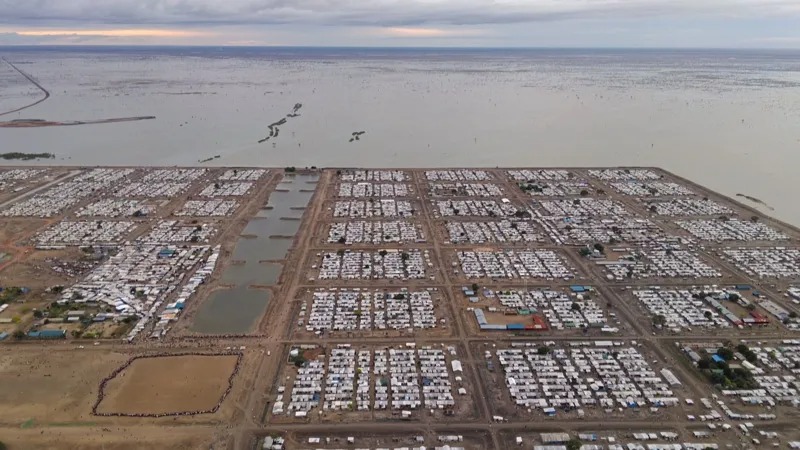
Emergency Support for Displaced Families – UN/IDP Camp, Bentiu
Emergency support for displaced families inside the UN-managed IDP Camp in Bentiu through emergency food distributions, clean water, hygiene kits, health advocacy, environmental protection services, and advocacy for improved living conditions.
📍 Bentiu IDP Camp, Unity State
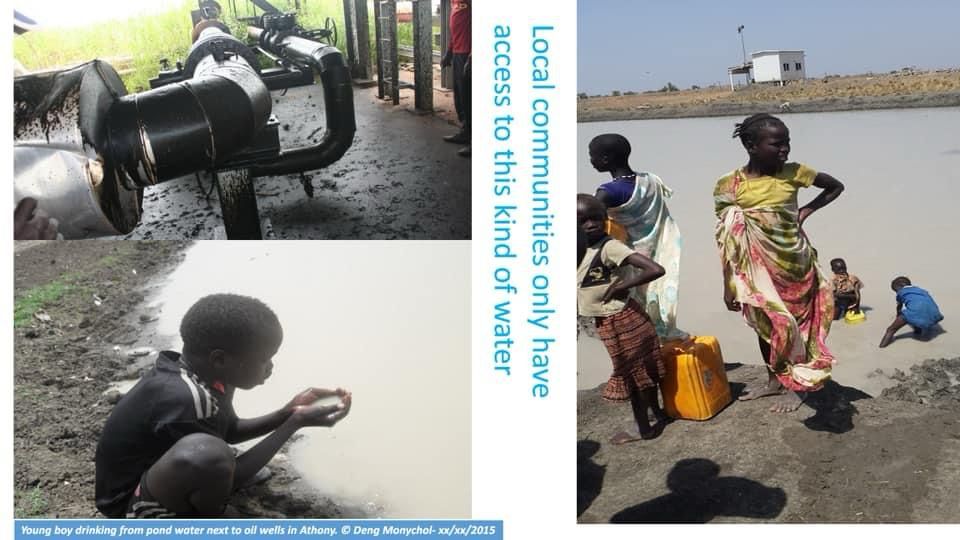
Safe Water Awareness & Filtration Program – Bentiu
Improving access to safe drinking water by distributing water filtration kits, conducting hygiene education, and training Community Health Champions to reduce waterborne diseases.
Status: Active – Enrolling Community Health Champions Now
📍 Bentiu Town & Surrounding Payams, Unity State
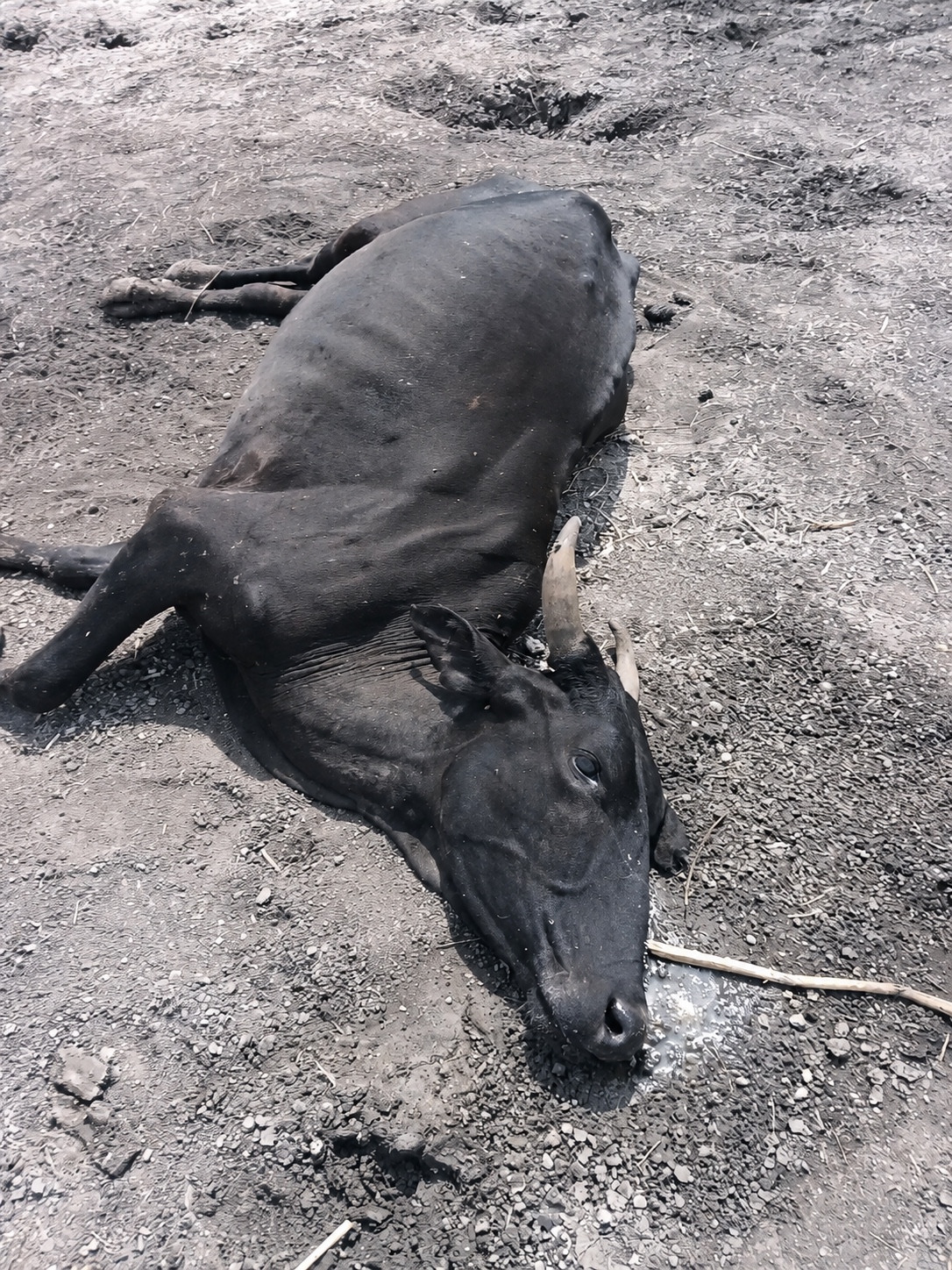
Livestock & Water Source Protection – Bentiu Oil Fields
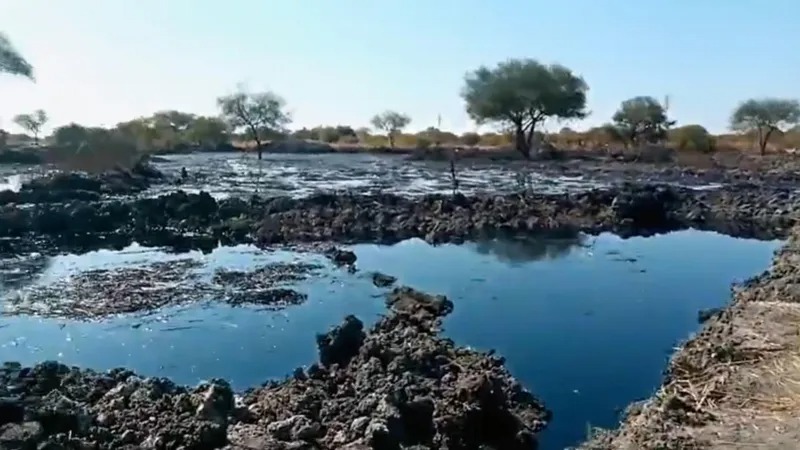
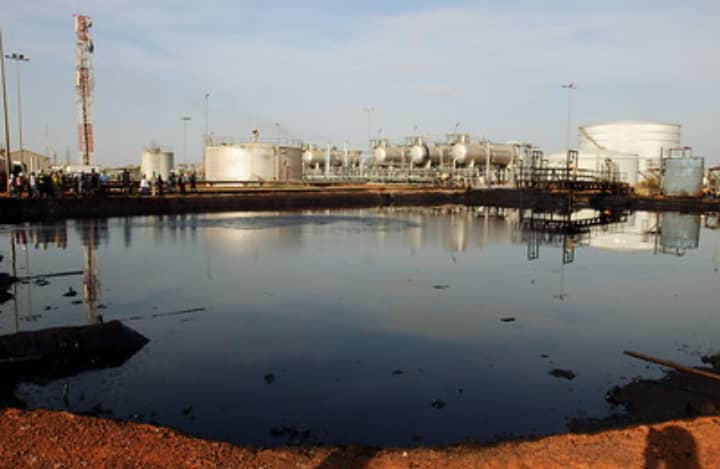
Protecting livestock and water sources from petroleum pollution by securing contaminated areas, creating alternative watering points, conducting soil and water testing, and promoting responsible environmental practices.
📍 Oil-Affected Areas, Bentiu, Unity State
Project Statistics
Active Projects
Families Reached
Target Beneficiaries
Operations Area
Areas of Impact
Community‑Led Humanitarian Action
GSM‑CDA's unique community‑driven operational model enables us to implement programmes in some of the most fragile and conflict‑affected regions of South Sudan.
Community Ownership & Local Employment
Up to 50% of skilled and unskilled employment opportunities are reserved for qualified indigenous residents from the project area. This builds confidence, transfers knowledge, and creates a shared sense of responsibility.
Deep Community Acceptance
We work through continuous consultation with traditional chiefs, religious leaders, women's associations, youth representatives, and local authorities. Communities view our projects as their own investments, not external interventions.
Neutrality & Non‑Partisanship
GSM‑CDA maintains absolute political neutrality. We do not affiliate with any political party, armed group, or ethnic movement. Assistance is provided solely on the basis of humanitarian need, without discrimination.
"Local employees understand the language, culture, geography, and conflict dynamics of their communities — making project implementation more effective and culturally appropriate."
Local Employment
Neutrality
Stakeholder Groups
Operational Focus: Unity State — including Rubkona, Guit, Koch (Thar Jath Payam), and the Unity Oil Fields — with planned expansion to Jonglei, Upper Nile, and other conflict‑affected regions of South Sudan.
Mobile Humanitarian Response
Our Rapid Deployment — Community Transformation — Safe Withdrawal (RD‑CT‑SW) model enables us to reach populations in hard‑to‑access areas.
Rapid Deployment
Timely mobilization of trained personnel, equipment, and resources immediately following the identification of urgent needs and confirmation of acceptable access conditions.
Community Transformation
Intensive service delivery combined with training, awareness, and mentoring that strengthens local knowledge, skills, and organizational capacity to address challenges independently.
Safe Withdrawal
Structured and accountable conclusion of operations after objectives are achieved or when security conditions require departure — leaving behind empowered local structures.
Temporary deployments
Maximise impact, minimise risk
Community‑centred
Affected populations at the heart
Acceptance‑based security
Community trust as primary protection
Adaptive management
Flexible to changing conditions
Operational Security & Protection Framework
A comprehensive security management system that protects personnel, beneficiaries, and assets while upholding humanitarian principles in fragile and high‑risk environments.
Security Risk Management
- Systematic threat identification & risk assessment
- Risk analysis matrix & mitigation planning
- Continuous monitoring & early warning systems
- Acceptance‑based security strategy
Personnel & Field Security
- Mandatory security induction & training
- Travel authorization & movement tracking
- Field mission planning & community entry protocols
- Incident reporting & emergency response
Protection & Accountability
- Protection mainstreaming across all activities
- Zero tolerance for PSEA & safeguarding violations
- Community feedback & complaints mechanisms
- Conflict‑sensitive & Do No Harm programming
Crisis Management & Business Continuity
GSM‑CDA maintains a Crisis Management Team, emergency operations procedures, evacuation plans, and business continuity systems to protect life, preserve critical assets, and restore operations swiftly.
Project Locations
GSM‑CDA's current field operations are active in Northern Unity State (Bentiu and surrounding payams) and Ayod. We are working to expand our reach to additional locations in the Greater Upper Nile region, including Maiwut, Mading, Longechuk, Lankien, and Akobo.
Project Approach
1. Community Needs Assessment
We listen to communities and identify their most urgent priorities.
2. Planning & Coordination
We design evidence-based interventions with community and partner input.
3. Project Implementation
We execute with transparency, professionalism, and local leadership.
4. Community Participation
Communities are partners in decision-making and implementation.
5. Monitoring & Evaluation
Continuous assessment ensures accountability and measurable impact.
6. Sustainable Impact
We build local capacity so that progress endures beyond the project.
Project Gallery
Help Us Expand Our Impact
Your support allows us to reach more families, protect more water sources, and build lasting resilience in South Sudan.